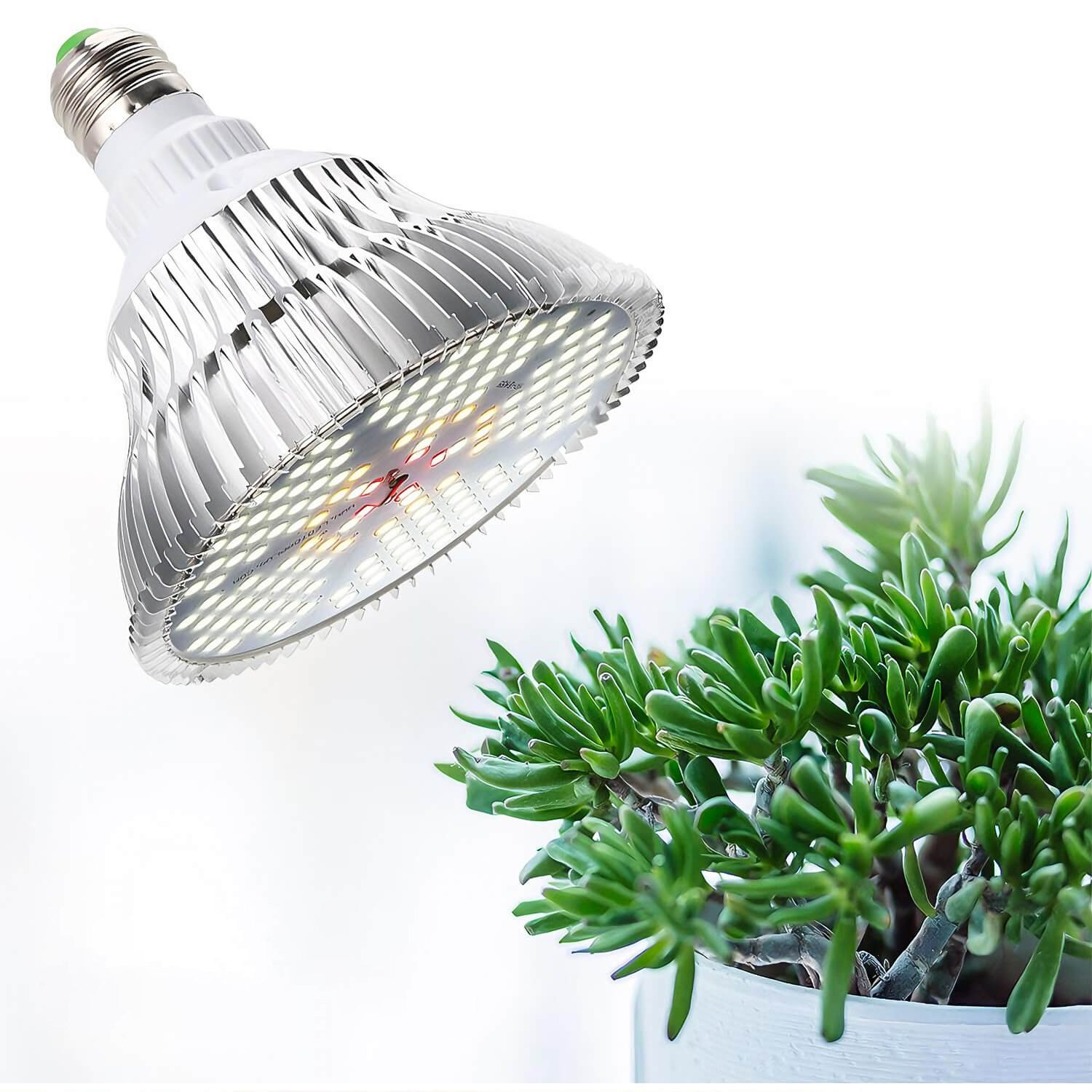
How to Choose the Right Plant Grow Light for Your Home
Selecting a plant grow light is more than trusting marketing claims like full spectrum. The real value comes from verified specifications and quality hardware. This

Many people enjoy keeping potted plants indoors. Whether it is flowers, bamboo, or small decorative trees, they bring a touch of nature into the home and create a calm and refreshing atmosphere. While we appreciate their beauty, our plants may not be as comfortable as we think. The biggest challenge for indoor plants is the lack of natural sunlight. This raises an important question: can ordinary indoor lighting truly support healthy plant growth?
Why Regular Indoor Light Falls Short
Plants require light for photosynthesis, but not every type of light contributes to their growth. Plants primarily absorb blue light and red light, along with a smaller portion of far red light. These wavelengths support leaf development, stem growth, and energy production. Green and yellow light are mostly reflected, which is why leaves appear green to our eyes.
Key points about plant light absorption:
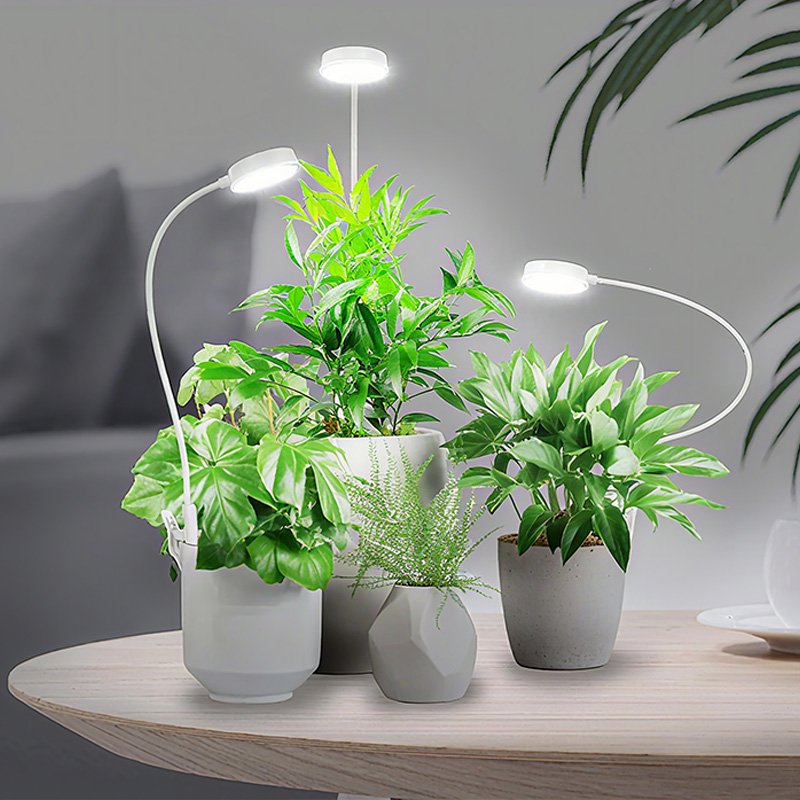
Most household bulbs, including fluorescent and energy-saving lamps, provide limited blue light and almost no true red or far-red wavelengths. Much of their output falls into the yellow and green spectrum, which plants use poorly. Their photosynthetic efficiency is therefore very low, and the intensity is generally too weak to sustain meaningful growth.
Understanding Light Intensity and PPFD
Light intensity directly affects the rate of photosynthesis. Plants release oxygen during photosynthesis and consume it during respiration. The point where these two processes balance is called the light compensation point, and each plant species has its own specific requirement.
It is useful to note that modern plant lighting is measured in PPFD (Photosynthetic Photon Flux Density), which indicates how many usable photons reach the plant per second. Ordinary indoor lighting produces PPFD levels far below what even low-light plants require. This is the primary reason why most indoor plants gradually decline under standard household bulbs.
Lighting Solutions Used in Professional Cultivation
In agricultural and professional indoor growing environments, strong and scientifically balanced lighting systems are employed to replace sunlight. These include high-pressure sodium lamps, metal halide lamps, and dedicated horticultural LED grow lights. Originally developed for industrial and sports facilities, they have since become essential in controlled plant production settings.
Common types of professional grow lights:
High-efficiency LEDs and metal halide lamps are often considered the most balanced and cost-effective options. While full-spectrum LEDs can support plant growth, depending on their design, they may consume more energy than sodium lamps of similar output. In commercial agriculture, sodium and metal halide lamps remain valued for their strong performance and reliable results.
Why Incandescent Bulbs Are Ineffective
Though less common today, incandescent bulbs were once widely used in homes. They produce a broad but uneven spectrum with a significant amount of infrared radiation. This is why they become very hot and are sometimes used for heating purposes. They are not suitable for plants and provide almost no useful photosynthetic light.
Practical Solutions for Healthy Indoor Plants
If you want your indoor plants to photosynthesize effectively, you will need lighting specifically designed for plant growth, such as horticultural LEDs, sodium lamps, or metal halide lamps. These provide the correct spectrum and sufficient PPFD to support proper development.
If such lighting is not feasible, the simplest and most effective method remains the same: allow your plants periodic exposure to natural sunlight outdoors. Even a short period of direct sunlight each day can significantly improve their health and vitality.
Selecting a plant grow light is more than trusting marketing claims like full spectrum. The real value comes from verified specifications and quality hardware. This
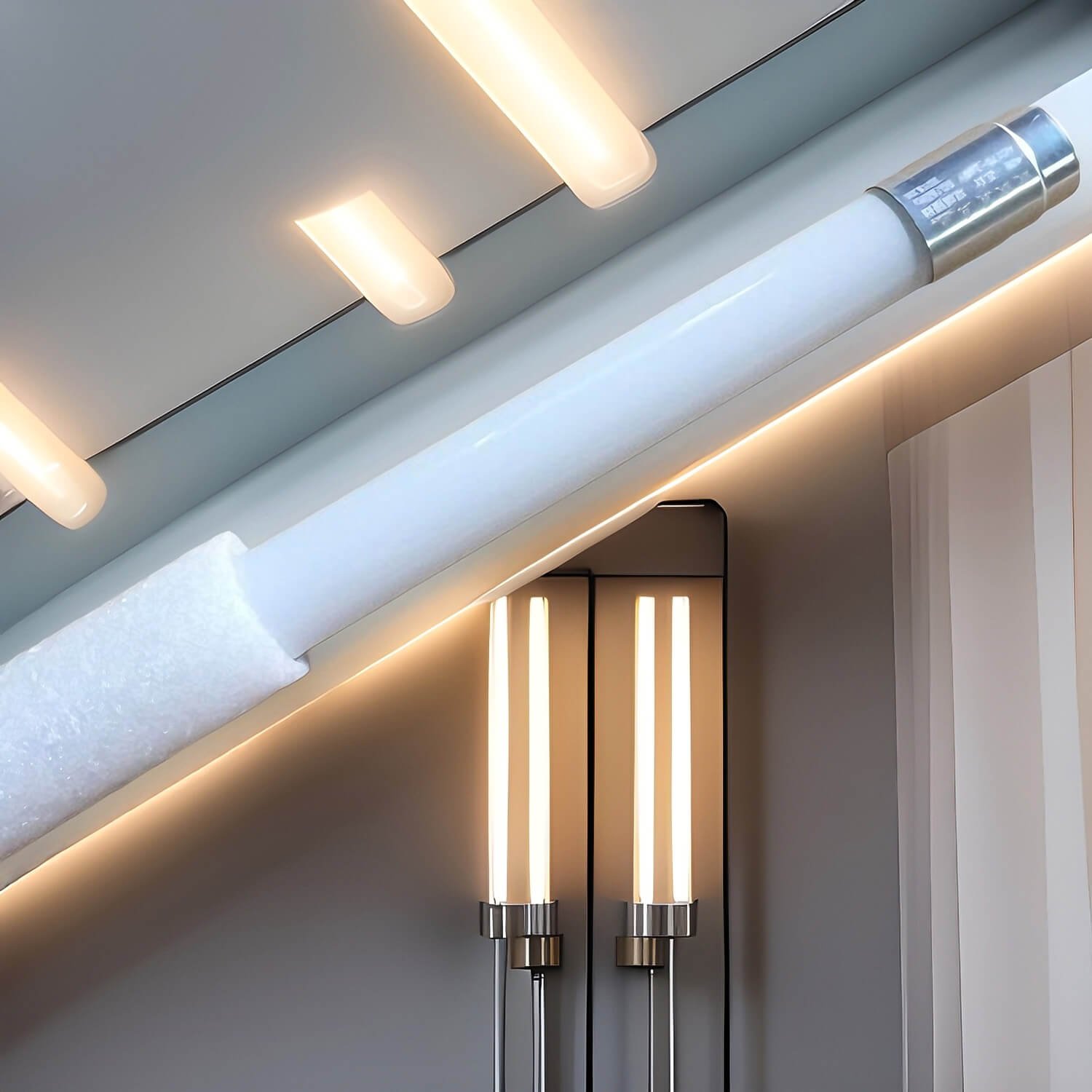
Understanding the price of a T8 LED grow light requires looking beyond the sticker. True value comes from the materials and engineering inside, which directly